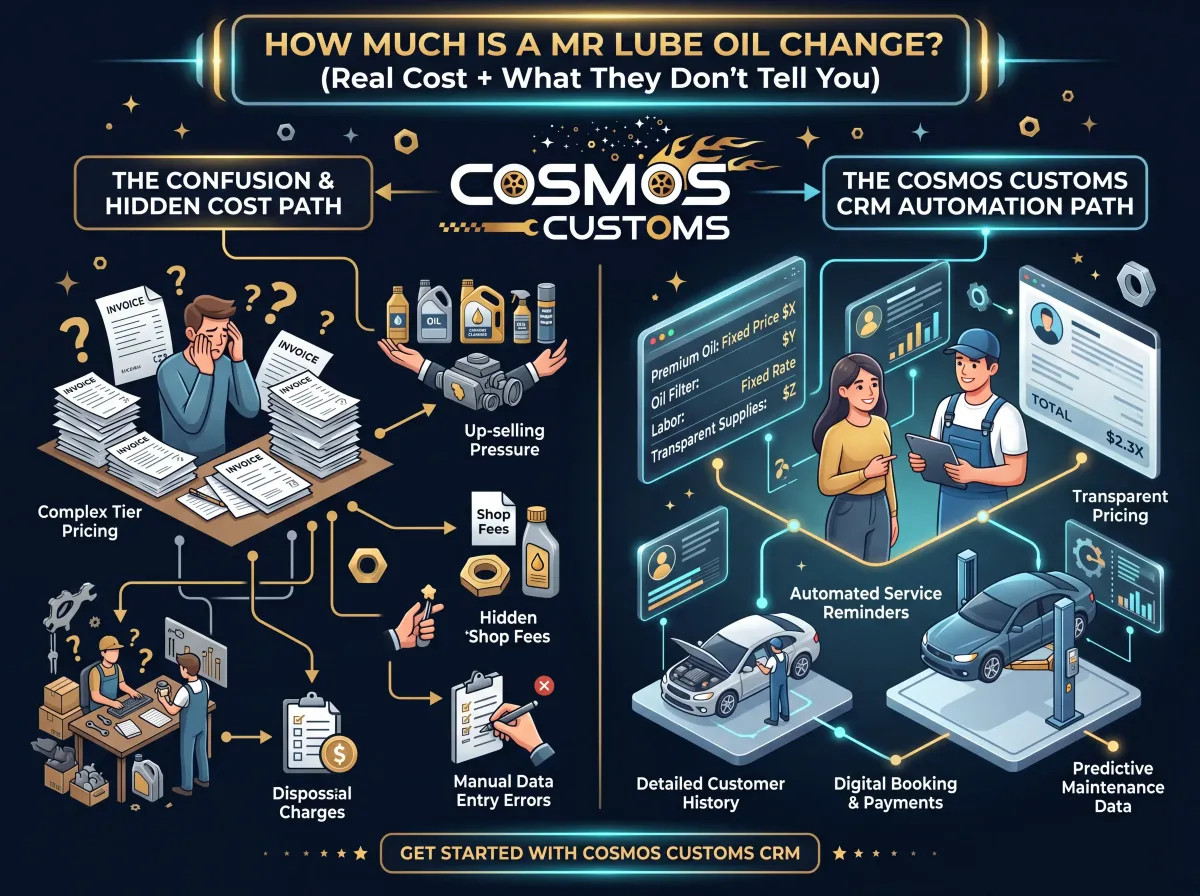
How Much Is Mr Lube Oil Change? (Real Cost + What They Don’t Tell You)
The Truth About Oil Change Pricing (Start Here)
If you’re searching how much is Mr Lube oil change, you’re already focused on price—but that’s exactly where most drivers go wrong. The real issue isn’t cost, it’s understanding what you’re actually paying for and how that ties into long-term engine protection. Just like in service search engine optimization, where traffic means nothing without conversions, an oil change means nothing if it’s not done based on real driving conditions. Most engines don’t fail because people skip oil changes—they fail because they follow the wrong interval with confidence. Manufacturers stretch intervals to make vehicles look low maintenance, and quick lube shops standardize service for speed, not precision. That gap between perception and reality is where real damage happens.
How Much Is Mr Lube Oil Change in Canada?
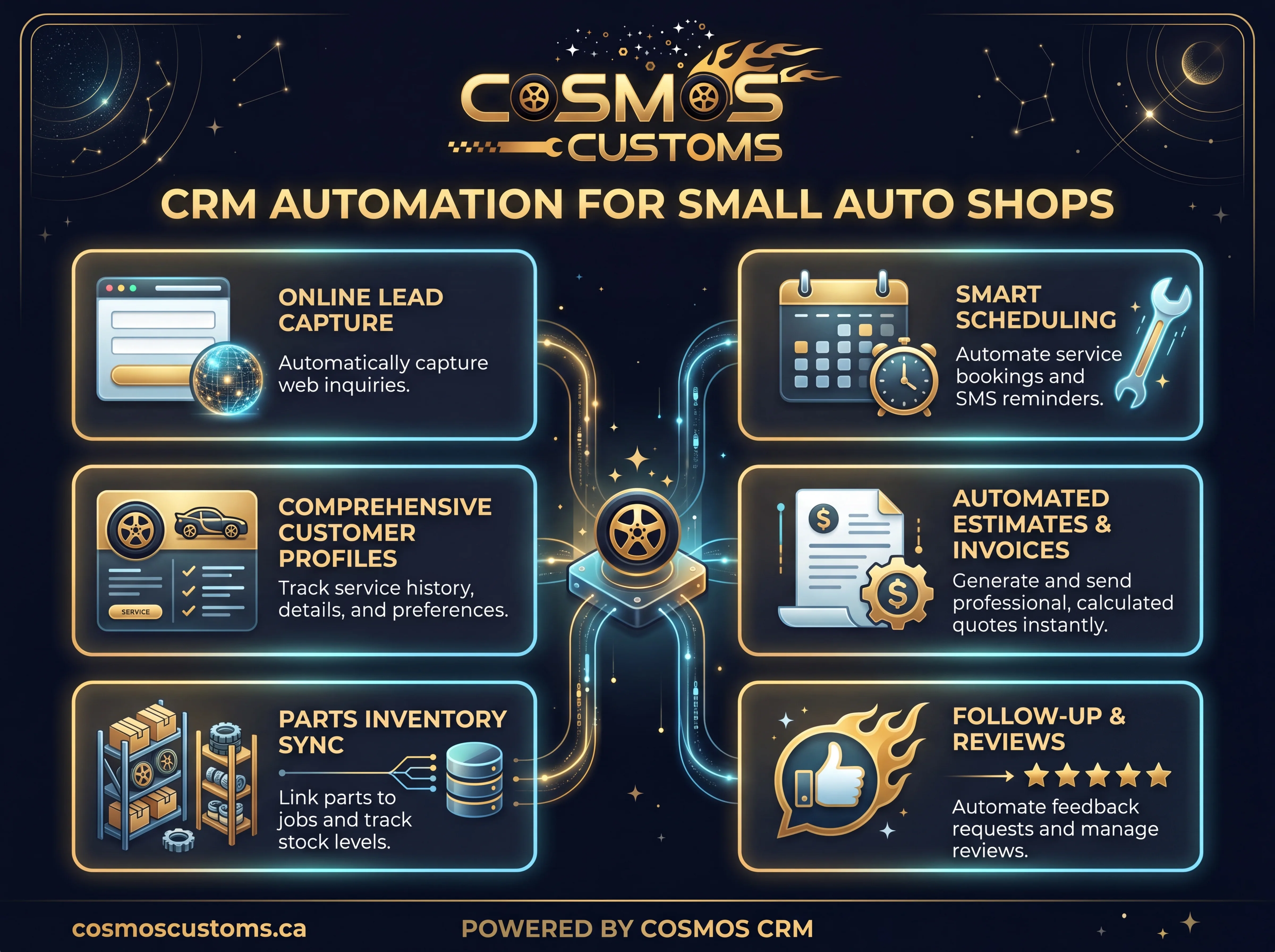
The typical cost of a Mr Lube oil change in Canada ranges from about $40 to $60 for conventional oil and $85 to $130 or more for synthetic oil, depending on your vehicle, oil capacity, and filter requirements. Additional charges can apply for larger engines or premium components. What you’re really paying for is speed, convenience, and accessibility—not a customized maintenance strategy. This is similar to service search engine optimization models where businesses pay for visibility but not necessarily performance. You’re getting a fast transaction, not a long-term plan for engine health, which is why understanding the difference between cost and value is critical.
Why Mr Lube (and Quick Lube Shops) Price This Way
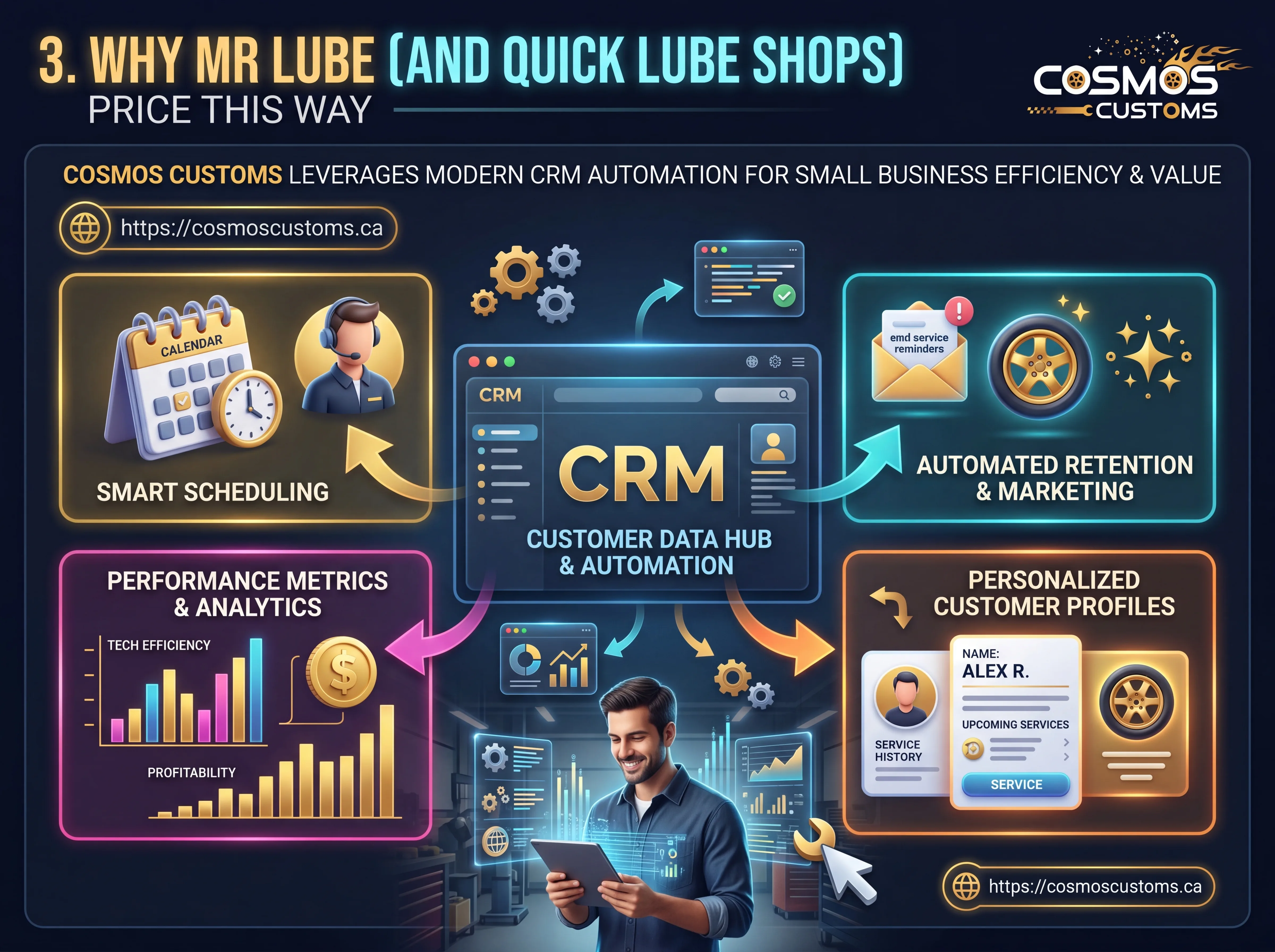
Quick lube shops like Mr Lube are designed around volume, efficiency, and upselling opportunities rather than deep mechanical analysis. Their pricing structure reflects that model—they keep the entry cost competitive, then build revenue through additional services discovered during inspections. This mirrors how service search engine optimization agencies often operate, focusing on volume metrics like clicks instead of actual revenue outcomes. Oil changes act as the front-end offer to bring customers in, but the real business is built on everything that happens after that initial service.
Real Case Studies: What “Cheap Oil Changes” Actually Cost
A 2018 Ford Escape driven on short city trips with frequent remote starts followed oil life monitor recommendations and stretched intervals, leading to sludge buildup, fuel dilution, and restricted oil flow, resulting in a $5,800 repair that could have been avoided with roughly $600 per year in proper maintenance. A 2016 Ram 1500 used for towing relied on synthetic oil and extended intervals to 12,000–14,000 km, which caused burnt oil, carbon buildup, and camshaft wear, leading to a $4,200 repair instead of about $800 per year in maintenance. A 2015 Honda Accord owner never checked oil levels between services, allowing the engine to run significantly low, increasing friction and heat, resulting in over $3,000 in long-term damage that could have been prevented in minutes. These examples show that just like poor service search engine optimization wastes marketing budgets, poor oil maintenance wastes thousands in repairs.
Where People Actually Lose Money (This Is the Real Problem)
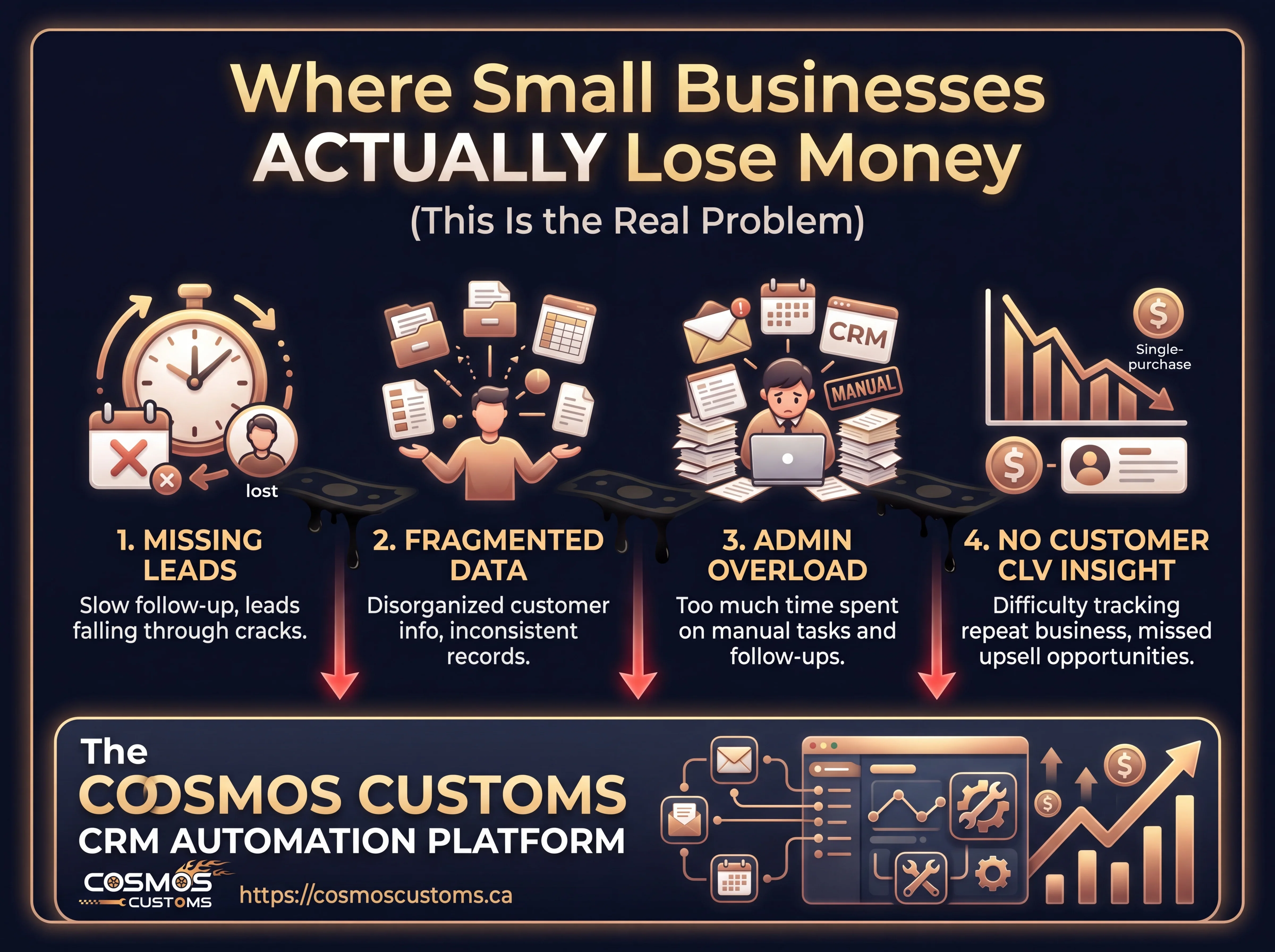
Drivers don’t lose money on the price of an oil change—they lose money through habits that slowly damage their engines. Trusting oil life monitors too much is one of the biggest issues, as these systems track usage patterns but not actual oil condition, especially in harsh climates like Calgary. Synthetic oil overconfidence leads people to stretch intervals beyond safe limits, assuming higher cost equals longer lifespan. Ignoring oil levels between services allows engines to run low, which causes more damage than dirty oil alone. Stretching intervals for convenience might save a small amount annually but leads to major repair costs later. Finally, the belief that fast service equals quality service results in missed details and improper maintenance. This is no different than relying on weak service search engine optimization strategies that prioritize speed over results.
My Real-World Oil Change Rule (What Actually Works)
The only rule that consistently protects engines is a strict interval of 7,000 KM or 6 months, whichever comes first, with adjustments down to 5,000–6,000 KM if the vehicle experiences short trips, cold starts, idling, stop-and-go traffic, or heavy use like towing. In Calgary, these conditions apply to most drivers, making shorter intervals essential. Full synthetic oil with the correct specifications and a high-quality filter is recommended, but it’s critical to understand that synthetic oil does not justify longer intervals—it simply provides better protection under stress. Just like service search engine optimization requires ongoing adjustments based on performance data, oil maintenance must adapt to real-world driving conditions rather than fixed schedules.
So… Is Mr Lube Worth It?
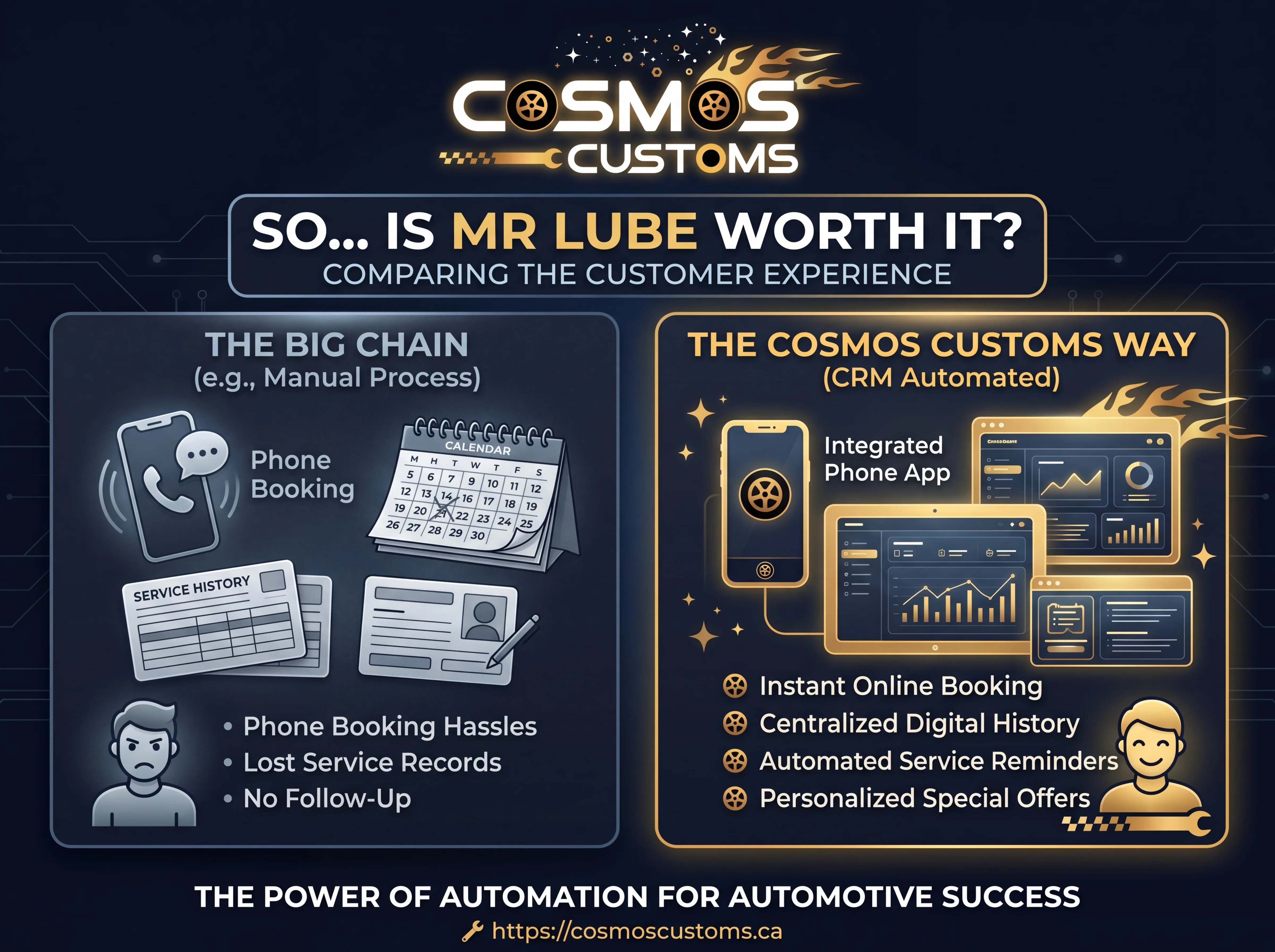
Mr Lube is worth it if your priority is convenience, speed, and accessibility, but it falls short if your goal is maximizing engine lifespan and optimizing maintenance based on real driving behavior. The service is designed to be efficient and standardized, not deeply customized. This parallels service search engine optimization platforms that deliver quick results but lack depth in strategy, meaning you get what’s easy, not what’s optimal.
Better Question: What Should You Actually Do?
Instead of focusing solely on how much a Mr Lube oil change costs, the better question is whether your maintenance schedule matches your driving conditions. Price is not what determines engine health—behavior does. Just like in service search engine optimization, where the focus should be on conversion and ROI rather than traffic alone, oil changes should be based on effectiveness, not just cost or convenience.
Final Verdict (Read This Twice)
If you follow manufacturer intervals, rely heavily on oil life monitors, and assume synthetic oil allows longer service gaps, you will feel like you’re doing everything right until a major repair proves otherwise. The real cost of an oil change isn’t what you pay upfront—it’s what you avoid paying later. This is the same mindset shift required in service search engine optimization, where cutting corners leads to long-term losses instead of sustainable performance.
(This Is Where You Convert)
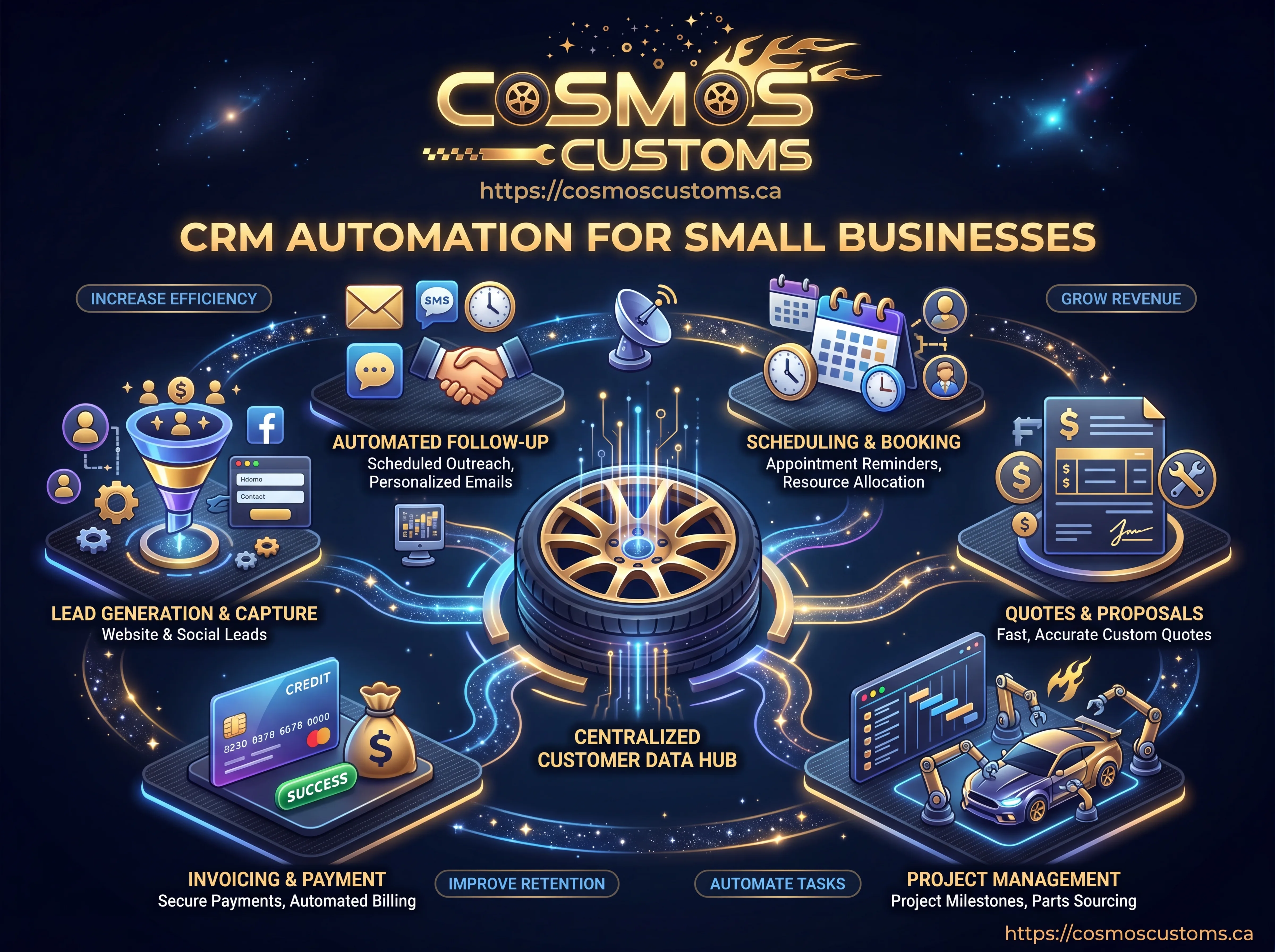
If you want to stop guessing and actually protect your engine, the next step is simple: get a proper maintenance strategy tailored to how you drive. Call Cosmos Customs at (587) 966-3425 or request a quick estimate and book your oil change today. Just like with service search engine optimization, the goal isn’t to do more—it’s to do it right.
