
how often should you change your oil in your vehicle
The Uncomfortable Truth About Oil Changes
Most drivers searching how often should you change your oil in your vehicle are given safe, recycled answers like “follow the manual” or “it depends,” but that advice is designed to avoid blame—not to protect your engine or your wallet. The reality is that manufacturers stretch oil change intervals to make vehicles look cheaper to maintain, while drivers trust those long intervals and oil life monitors, which often leads to hidden engine wear and expensive repairs later. At Cosmos Customs, we see firsthand how people following 12,000–15,000 km intervals end up with sludge, contamination, and premature wear, all while thinking they were doing everything right. This is exactly why a real strategy matters, much like how service search engine optimization focuses on results, not just visibility—because following generic advice without context costs you more in the long run.
So, How Often Should You Change Your Oil in Your Vehicle?
If you’re asking how often should you change your oil in your vehicle, here’s the real answer: every 7,000 km or 6 months, whichever comes first. That’s the baseline that balances cost and engine protection, but in real-world conditions—especially in Calgary—that number often needs to be shorter. Short trips, cold starts, idling, and winter driving push your vehicle into “severe use,” which means oil breaks down faster than most articles admit. Just like service search engine optimization adjusts strategy based on real data instead of theory, your oil change interval should reflect how you actually drive, not what looks good on paper.
What Most Articles Get Wrong About Oil Change Intervals
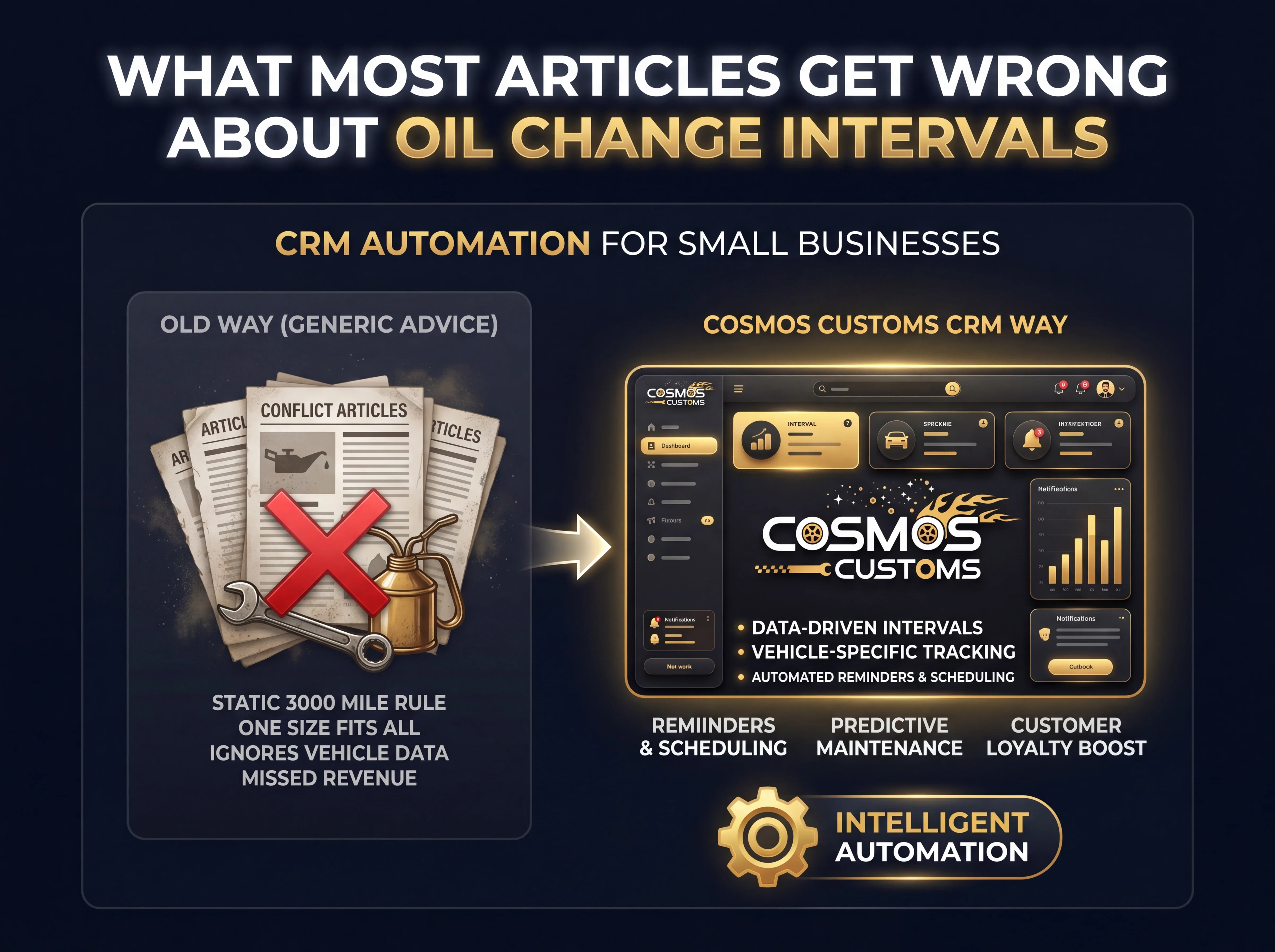
Most content answering how often should you change your oil in your vehicle fails because it assumes “normal driving” exists, when in reality most drivers operate under harsh conditions like stop-and-go traffic, cold weather, and short trips. Oil life monitors are also over-trusted, even though they rely on algorithms that cannot detect moisture, fuel dilution, or contamination, which are the real causes of engine damage. These articles also ignore how oil actually fails—not just by mileage but by chemical breakdown and contamination over time. This gap is similar to businesses relying on vanity metrics instead of real outcomes in service search engine optimization, where surface-level indicators don’t reflect actual performance.
Real Cases: What Bad Oil Change Decisions Actually Cost
When people ask how often should you change your oil in your vehicle, they rarely understand the financial consequences of getting it wrong. We’ve seen a high-kilometre commuter sedan that followed a 12,000 km interval develop sludge buildup and restricted oil flow, leading to a $2,400 repair that could have been avoided with regular $90 oil changes. A half-ton truck used for work and idling relied on its oil life monitor and ended up needing $4,800 in engine repairs, when consistent 5,000–6,000 km servicing would have prevented it. A Euro vehicle owner trusted synthetic oil to last longer and faced $3,200 in repairs due to contamination and wear, instead of maintaining proper intervals. These cases prove that oil neglect is not a maintenance issue—it’s a money-loss issue, much like ignoring proper strategy in service search engine optimization leads to lost revenue instead of growth.
Where Drivers Actually Lose Money (Ranked)

The biggest mistakes people make when deciding how often should you change your oil in your vehicle come down to stretching intervals too far by kilometres, ignoring time-based changes, and trusting oil life monitors blindly. On top of that, Alberta drivers underestimate how much cold starts, idling, and short trips accelerate oil breakdown, while others cut corners with cheap oil or skip inspections that would catch problems early. These decisions stack over time, leading to costly repairs that could have been avoided with a consistent maintenance approach, similar to how ignoring fundamentals in service search engine optimization leads to long-term losses instead of sustainable results.
Our Oil Change Rule at Cosmos Customs (Calgary-Proven System)
If you want a clear answer to how often should you change your oil in your vehicle, this is the system we stand behind. Our default rule is 7,000 km or 6 months, but for short trips, winter driving, idling, and remote starts, we shorten that to 5,000–6,000 km because those conditions accelerate contamination. Highway driving can stretch closer to 8,000 km, but only if it’s consistent long-distance use. Trucks and SUVs, especially for work, should stay within 5,000–6,000 km, while small commuter vehicles can safely sit between 6,000–7,000 km. Euro vehicles should never blindly follow extended factory intervals and should remain within 5,000–7,000 km. Anything past 10,000 km in real-world driving is where drivers are gambling with engine damage, and that’s where we consistently see problems. This structured approach is no different than a results-driven framework in service search engine optimization, where strategy is built around performance, not assumptions.
Why Regular Oil Changes Actually Save You Money
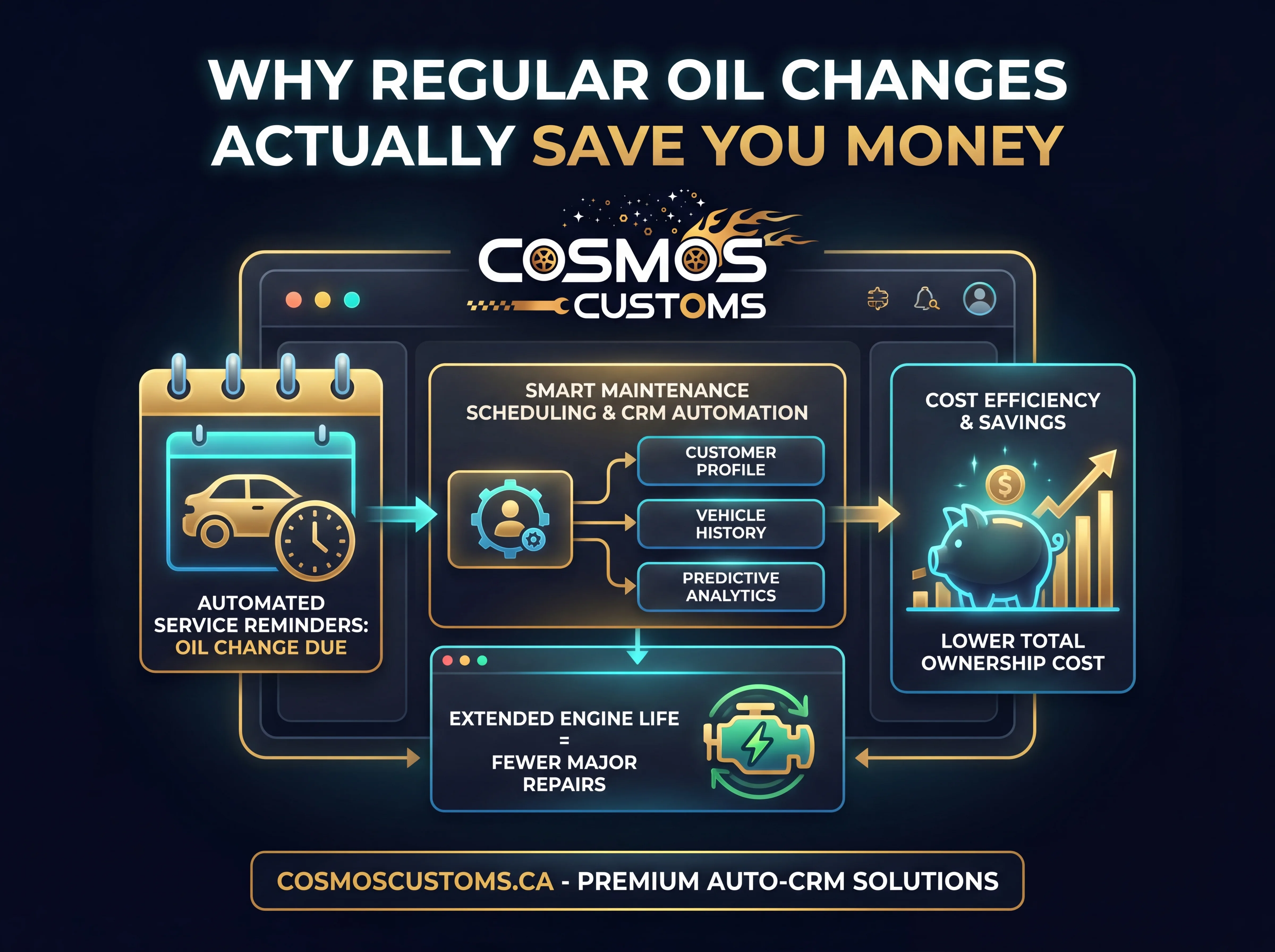
Understanding how often should you change your oil in your vehicle comes down to cost control, not just maintenance. A $70–$120 oil change is nothing compared to a $2,000–$5,000 engine repair, and more importantly, it prevents problems before they escalate. Engines don’t fail overnight—they fail from consistent neglect, small issues stacking until they become expensive failures. Taking a proactive approach is the same principle behind service search engine optimization, where consistent optimization prevents missed opportunities and maximizes long-term results.
If You Remember One Thing, Remember This
If you’re still wondering how often should you change your oil in your vehicle, remember this: if you wait for your oil to fail, your engine is already paying the price.
Book Your Oil Change in Calgary Today
If you’re unsure about how often should you change your oil in your vehicle, don’t guess. At Cosmos Customs, we go beyond basic service to protect your engine and your money with real-world recommendations that work in Calgary conditions. Call (587) 966-3425, book an appointment, or request a quick estimate today and get ahead of costly repairs before they happen—because the right decision now saves you thousands later, just like investing in the right service search engine optimization strategy pays off over time.
