
How to Change Mower Oil (The Right Way Most People Get Wrong)
How to Change Mower Oil (The Right Way Most People Get Wrong)
The Uncomfortable Truth About Mower Oil Changes
Here’s the line most homeowners and even manufacturers won’t say: most mower engines don’t fail because people forget oil changes—they fail because people follow “once-a-season” advice in conditions that destroy oil in half the time. People blindly trust generic maintenance intervals the same way businesses blindly trust generic service search engine optimization strategies that don’t reflect real-world conditions. The problem is identical—whether it’s engines or marketing, assumptions built for “ideal use” don’t hold up under real stress, and that’s where failure starts.
Why Changing Mower Oil Actually Matters (Beyond the Basics)
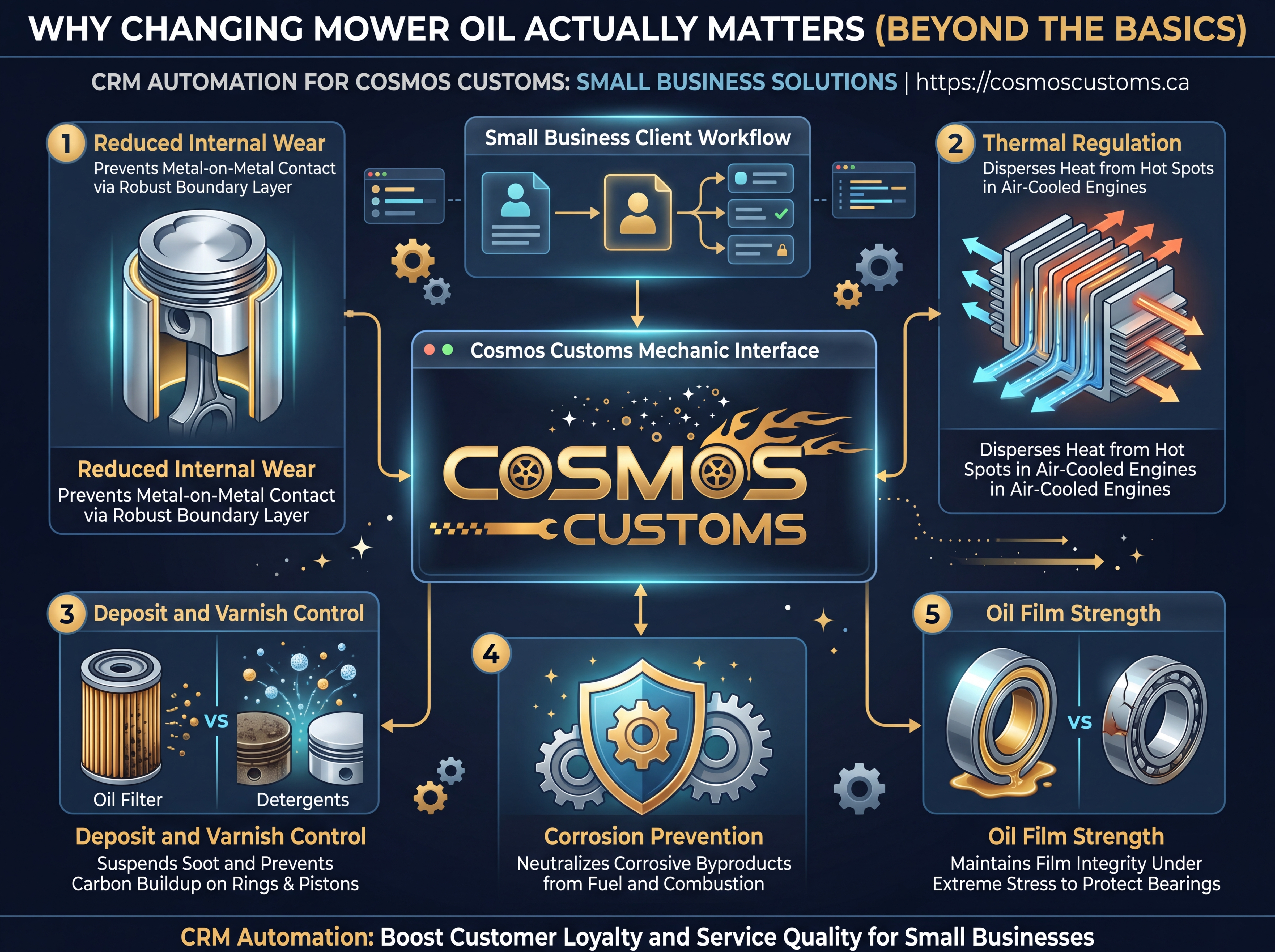
Oil isn’t just lubrication—it’s your engine’s only defense against heat, contamination, and internal wear. When oil breaks down, your engine starts running unprotected, just like a business relying on weak service search engine optimization that brings traffic but no real results. In both cases, neglect leads to failure, and the longer you delay action, the more expensive the outcome becomes.
How to Change Mower Oil (Step-by-Step That Actually Works)
Step 1: Warm Up the Engine
Run the mower for 10–15 minutes so the oil flows properly and removes contaminants. Skipping this step is like skipping the foundation in service search engine optimization—you might think you’re saving time, but you’re leaving problems behind.
Step 2: Shut Off and Disconnect Spark Plug
Always disconnect the spark plug before working on the mower to prevent accidental starts, just like eliminating risk points early in any service search engine optimization strategy.
Step 3: Drain the Old Oil Completely
Drain all the oil using the proper method, because partial drainage leaves contaminants behind. This is no different than partial fixes in service search engine optimization—they don’t solve the core issue.
Step 4: Replace the Oil Filter (If Equipped)
If your mower has a filter, replace it. Ignoring it contaminates new oil instantly, similar to how ignoring conversion systems ruins service search engine optimization performance.
Step 5: Add the Correct Oil
Use the correct oil type and add it gradually while checking levels. Overfilling or using the wrong oil causes damage, just like using the wrong approach in service search engine optimization wastes time and money.
Step 6: Check the Level Properly
Use the dipstick and ensure the oil is within range. Precision matters here, just like precision matters in service search engine optimization if you want consistent results.
Step 7: Run and Recheck
Start the mower, let the oil circulate, then recheck levels and inspect for leaks. This final step ensures everything is working correctly, much like validating results in service search engine optimization.
Real Case Studies (Where People Paid for Bad Oil Habits)

Case 1: Residential Push Mower – “Once a Season Is Enough”
A homeowner using a push mower weekly believed that one oil change per season was enough. Over time, the oil degraded under heat and load, leading to sludge buildup and eventual engine seizure. The result was a $450 replacement mower, compared to a $20–$40 oil change. This is the same mindset that causes businesses to underinvest in service search engine optimization—small neglect turns into large financial loss.
Case 2: Commercial Riding Mower – “We’ll Do It Later”
A landscaping crew delayed oil changes to avoid downtime. Dust, heat, and heavy use broke down the oil quickly, leading to contamination and internal wear. The engine required a $1,200 rebuild, while proper maintenance would have cost under $100 per service. The pattern is identical to poor service search engine optimization decisions—short-term thinking leads to long-term costs.
Where Mower Owners Actually Lose Money
Most mower owners don’t lose money because they don’t know how to change oil—they lose money because they delay it. Stretching intervals, never checking oil levels, using the wrong oil, overfilling, and ignoring harsh conditions like dust and heat are the biggest mistakes. These are the same types of mistakes businesses make with service search engine optimization—ignoring the real factors that drive performance while relying on outdated or generic advice.
The Real-World Oil Change Rule (Not What the Manual Says)
The rule that actually protects engines is simple: change mower oil every 25–40 hours or every 3 months, whichever comes first. Shorten it to 20–25 hours in dusty, hot, or heavy-use conditions. Most users fall into these categories without realizing it, just like most businesses underestimate what’s required for effective service search engine optimization.
What We Do Differently (And Why It Saves Engines)
Most advice stops at “change your oil,” but that’s not enough. We check oil levels before every use, inspect oil condition rather than relying on time alone, catch air filter issues early, and adjust maintenance based on real usage—not manufacturer assumptions. This approach mirrors how effective service search engine optimization works—focusing on real performance instead of generic guidelines.
Final Verdict: Oil Changes Are Cheap—Engine Failures Aren’t
An oil change costs $20–$100, while engine replacement can cost $400–$1,500 or more. The difference comes down to consistency and awareness. Whether it’s maintaining an engine or improving performance through service search engine optimization, ignoring the real-world conditions always leads to higher costs.
Need Help or Want It Done Right?
At Cosmos Customs in Calgary, we focus on preventing problems before they become expensive repairs. Call (587) 966-3425 or book your service today to avoid turning a simple oil change into a major repair.
