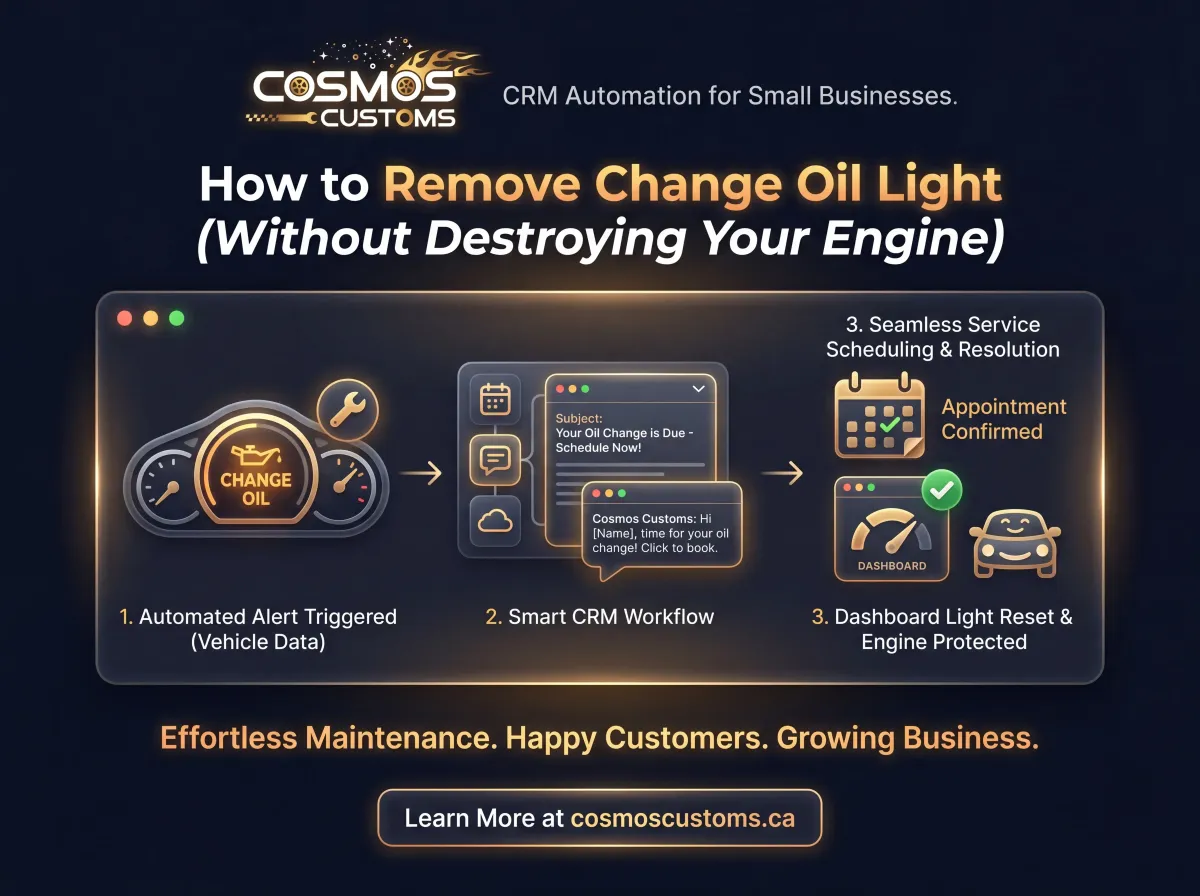
How to Remove Change Oil Light (Without Destroying Your Engine)
How to Remove Change Oil Light (Without Destroying Your Engine)
How to Remove Change Oil Light (Step-by-Step)
If you’re trying to understand how to remove change oil light, the process itself is simple, but most drivers don’t realize that doing it wrong can cost thousands in engine damage. From a service search engine optimization perspective, this is exactly the kind of high-intent problem people search when they need immediate answers. Most vehicles follow a similar reset process, whether it’s using the gas pedal sequence, dashboard controls, or trip reset buttons, but the key detail most guides miss is that resetting the light does not confirm the oil was changed. That gap between action and understanding is where both engine damage and poor service search engine optimization content fail to deliver real value.
The Truth About Oil Change Lights (Most Shops Won’t Say This)
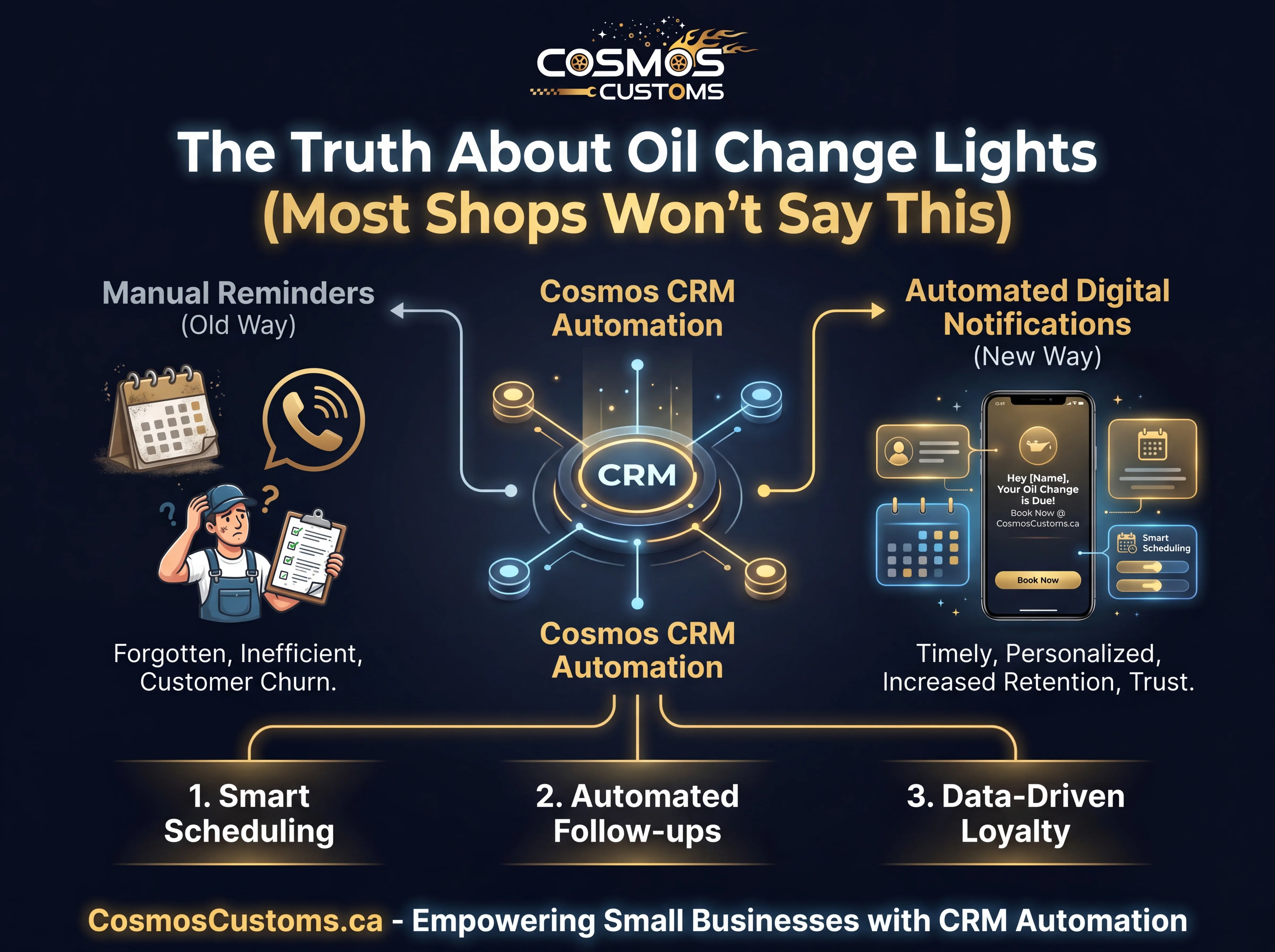
Here’s the uncomfortable truth most shops avoid: oil change lights don’t measure oil condition—they measure manufacturer liability. This is where real-world experience matters more than generic advice, and it’s also what separates strong service search engine optimization content from recycled blog posts. Manufacturers stretch intervals to make vehicles look low maintenance, quick lube shops rely on the light for fast service cycles, and drivers assume the system is smarter than it actually is. In reality, oil life monitors do not account for cold starts, short trips, idling, or fuel dilution, especially in a place like Calgary. This creates a dangerous gap where drivers follow the system perfectly and still end up with engine damage—something most service search engine optimization articles completely ignore.
Real Cases: When Removing the Oil Light Cost Thousands
When you look at real-world data instead of theory, the risks become obvious, which is exactly the kind of insight that strong service search engine optimization content should highlight. In one case, a Ford Escape used for short trips and winter driving relied on the oil life monitor and delayed service, resulting in sludge buildup and a $4,200 repair that could have been avoided with routine oil changes. In another case, a Ram 1500 owner reset the oil light without changing the oil, leading to metal contamination and a $6,800 repair bill. A BMW 3 Series followed extended synthetic intervals and ended up with timing chain wear and a $9,500 repair. These are not rare situations—they’re common outcomes when people trust the system instead of understanding it, and they represent the kind of real proof that effective service search engine optimization content needs to convert readers into customers.
Where Drivers Actually Lose Money
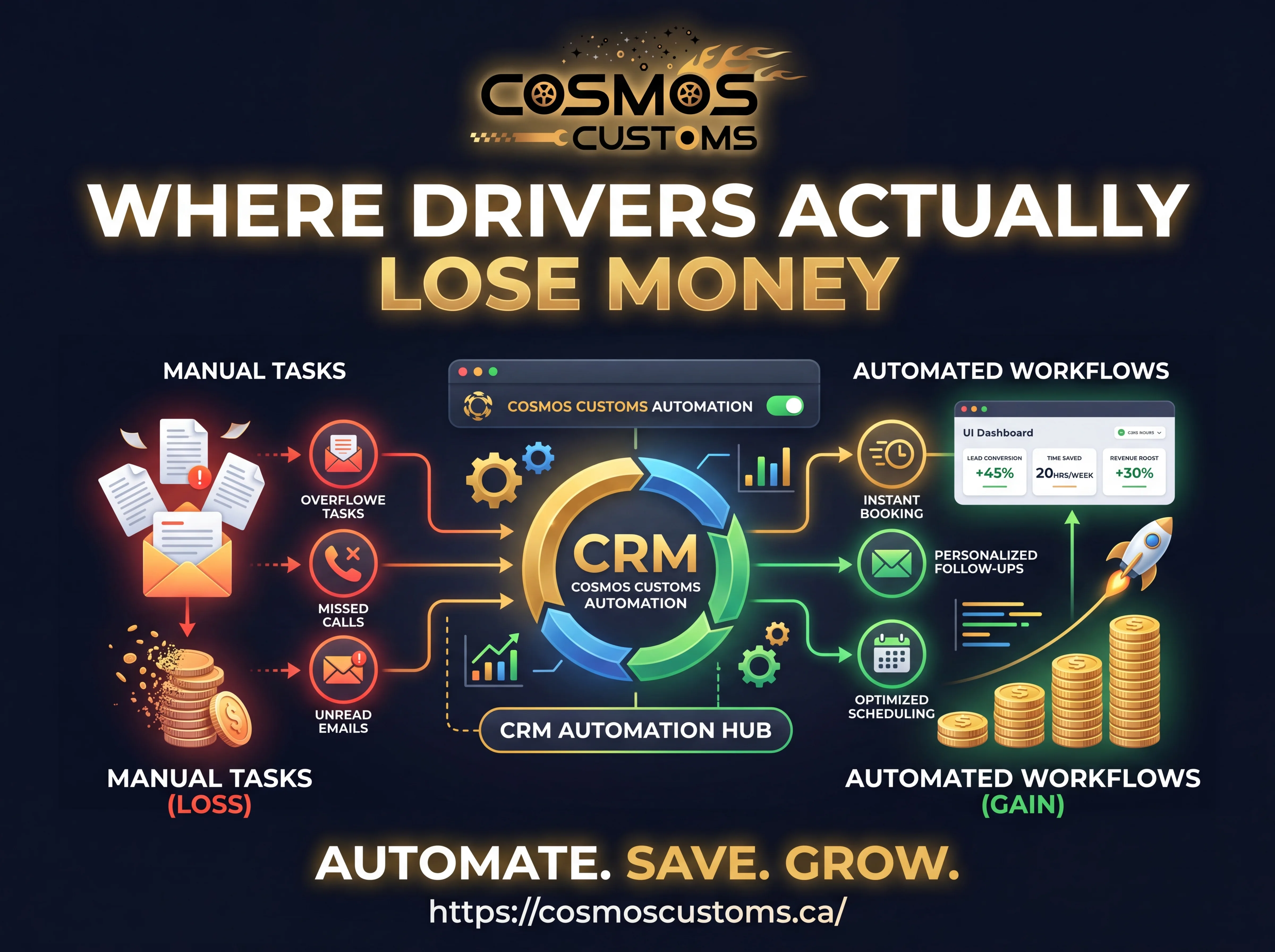
The biggest financial losses don’t come from skipping oil changes entirely—they come from following bad advice, which is a pattern both in automotive maintenance and weak service search engine optimization strategies. Drivers lose money by trusting oil life monitors designed for ideal conditions, resetting lights without service, ignoring time-based oil degradation, using the wrong oil, and relying on quick lube services that prioritize speed over accuracy. Each of these behaviors creates long-term engine wear that doesn’t show up immediately but leads to major repair costs later. This is the gap where both engines fail and poor service search engine optimization fails—because neither addresses real-world conditions.
The Cosmos Customs Rule (What Actually Works)
At Cosmos Customs, the approach is built on real driving conditions, not assumptions. From both a mechanical and service search engine optimization standpoint, clarity and consistency matter. The base rule is simple: oil changes every 5,000–7,000 km or every 6 months, whichever comes first. That interval shortens with short trips, winter driving, idling, towing, or turbocharged engines. Instead of relying on oil life percentages, the focus is on oil condition, engine behavior, and driving habits. This level of detail is what separates real expertise from generic advice—and it’s the same principle behind effective service search engine optimization that actually drives conversions.
How to Remove Change Oil Light (The Right Way)
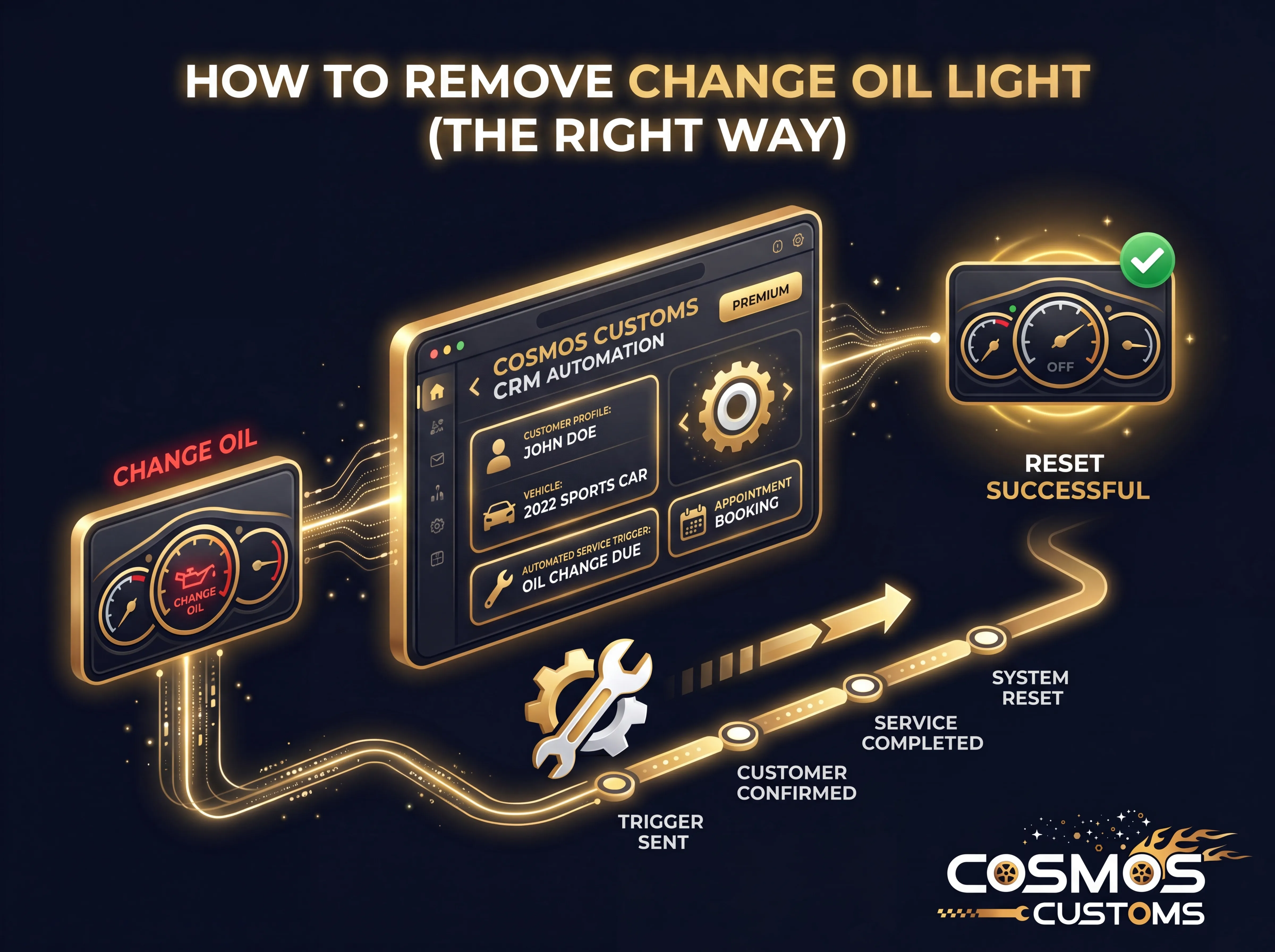
Understanding how to remove change oil light properly means following the correct order: change the oil, inspect the engine, and then reset the system. Anything else is just masking the problem. Many drivers reset the light first or rely on the system without verifying oil condition, which leads to long-term damage. This is a perfect example of how misinformation spreads—not just in automotive advice, but in weak service search engine optimization content that focuses on steps without context. The right approach protects both your engine and your wallet.
Final Reality Check
If there’s one thing to take away, it’s this: most engine damage isn’t caused by neglect—it’s caused by people doing exactly what they were told. They follow the oil light, trust extended intervals, and reset the system without thinking. The same applies to content—most blogs fail because they repeat what’s already been said instead of delivering real insight. Strong service search engine optimization content challenges assumptions, explains consequences, and gives people a reason to act.
Book Your Oil Service Before It Costs You Thousands
If you’re in Calgary and want real answers—not shortcuts—Cosmos Customs focuses on preventing problems before they turn into repairs. With every oil service, you’re getting a full inspection, personalized recommendations, and a system designed around your driving habits. That’s the difference between basic maintenance and long-term engine protection—and it’s the same difference between generic blogs and effective service search engine optimization that actually generates calls and bookings.
