
SERVICES
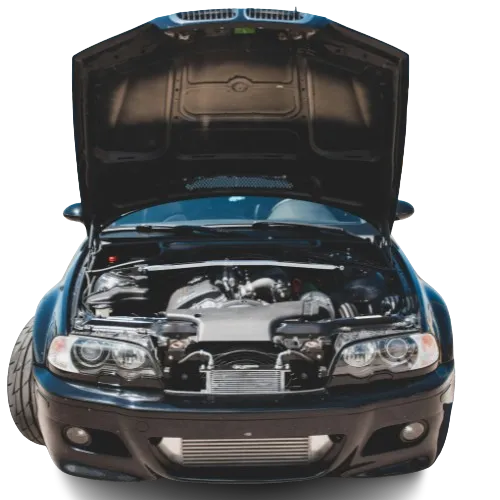
.Quality auto repairs, custom modifications, performance upgrades, and aftermarket accessories designed to keep your car running strong and looking elite.
What car costs $25,000 for an oil change?
No normal car oil change costs $25,000. If you saw that number online, it’s usually a joke, a typo, or a story about a major engine failure—not a routine oil change.
How often should I change my car oil?
Most vehicles are every 5,000–8,000 km for conventional and 8,000–12,000 km for synthetic, but always follow your owner’s manual and driving conditions.
What is the cost of an oil change at Canadian Tire?
Prices vary by location, oil type, engine size, and filter. For an exact price, check their current local listing. At Cosmos Customs, we also offer a $70 synthetic oil change (up to 5L) + free inspection (where applicable).
Can you go 2 years without changing synthetic oil?
Usually no. Even with synthetic, oil breaks down over time. Many manufacturers suggest changing oil at least once a year, even if you drive less.
What are signs my car needs an oil change?
Common signs: oil change reminder light, darker oil, louder engine noise, rough idle, burning smell, or decreased fuel economy.
What happens if I skip a full service?
You risk missing important maintenance like fluid checks, brake wear, filters, tire issues, or leaks—small problems can turn into expensive repairs.
How many miles overdue can I be for an oil change?
Try not to push it. A small delay might be okay, but going thousands of km overdue increases engine wear and sludge risk.
How many kilometers can you go over past due service?
It depends on the service. Oil changes shouldn’t be delayed much. Brakes, tires, and safety issues should be handled immediately.
How long is too long for your car to be in the shop?
Simple services (oil change, basic brakes) are usually same-day. Diagnostics or part delays can take longer. If we need extra time, we’ll explain why and what’s next.
Is it normal for an oil change to be $100?
It can be, depending on oil type, engine size, filter, and shop rates. Larger engines and specialty oils cost more.
Is oil life 50% okay?
Yes, 50% usually means you’re halfway to your next oil change. It’s not urgent, but keep an eye on it if you drive hard or in extreme weather.
How many kilometers is a major service?
Common major service intervals are around 60,000 km, 100,000 km, or 160,000 km, depending on the vehicle. Your manufacturer schedule is the best guide.
Does synthetic oil last longer than regular oil?
Yes, synthetic typically lasts longer and protects better, especially in extreme temperatures.
Do you reset the oil service light after an oil change?
Yes—when we perform the oil service, we can reset the maintenance reminder.
What’s included in Cosmos Customs’ $70 synthetic oil change special?
Synthetic oil change up to 5 liters plus a free basic inspection. Extra oil, specialty oil, or non-standard filters may add cost.
How much should a brake job cost on a car?
Brake cost depends on your vehicle and what’s needed (pads only vs pads + rotors). We’ll inspect and quote before work starts.
How often should car brakes be changed?
Brake pads often last 30,000–80,000 km depending on driving habits and vehicle type.
How do I tell if I need new brakes?
Squealing, grinding, vibration, longer stopping distance, or a brake warning light are common signs.
Should I replace all four brakes at the same time?
Not always. Many vehicles wear the front faster. We replace what’s needed based on inspection and wear.
Which car brakes wear out first?
Usually the front brakes wear faster because they handle most stopping force.
What is the 30 30 30 rule for brakes?
Some people use “30 mph” and “30 feet” as a rough braking check, but it’s not a professional standard. If you suspect brake issues, a brake inspection is best.
How much do 4 brakes change?
Replacing brakes on all four corners depends on parts and labor. We’ll give a clear quote after inspection.
What are signs of bad brakes?
Grinding/squealing, pulling to one side, vibration, soft pedal, burning smell, or warning lights.
How much do 4 brake pads cost?
Pad prices vary widely by vehicle and quality level. Budget pads cost less; premium pads cost more.
Can you drive with worn brake pads?
It’s risky. Worn pads can damage rotors and reduce stopping power. If you hear grinding, stop driving and book service.
Do you replace rotors every time?
Not always. If rotors are worn, warped, or below spec, replacement is recommended.
How long do brake inspections take?
Usually quick. If we need to pull wheels or measure wear closely, it can take a bit longer.
Why do brakes squeal after replacing pads?
New pads can squeal briefly during break-in, but ongoing squeal could mean hardware, rotor condition, or improper bedding.
What is included in a wheel and tire package?
Usually: wheels, tires, correct sizing/fitment guidance, and often mounting/balancing (depends on the package). We’ll confirm what’s included before purchase.
What questions should I ask when buying tires?
Ask about size, load rating, speed rating, season type, warranty, road noise, and how you drive (city/highway/winter).
What is the 3 rule on tires?
Many people refer to 3/32" tread depth as the point where tires should be replaced soon—especially for wet or winter driving.
What does a tire and wheel package cover?
It covers the wheel + tire combo. Coverage (like warranty) depends on the tire brand and package terms.
What is not covered by a tire warranty?
Often not covered: punctures from road hazards (unless you buy road-hazard coverage), improper alignment, racing, abuse, or uneven wear from mechanical issues.
Do wheel and tire packages come balanced?
They should be mounted and balanced when installed. We confirm this during quoting.
What is the 3% tire rule?
A common guideline: new tires should be within about 3% overall diameter of the original size to avoid speedometer and drivetrain issues (especially AWD).
Do I really need an alignment after getting new tires?
Often yes. If alignment is off, new tires can wear out fast. We recommend an alignment check if your tires show uneven wear or the vehicle pulls.
Do wheel and tire packages come mounted and balanced from Custom Offsets?
Many online retailers offer mounted/balanced packages, but it depends on what you purchase. Always confirm with the retailer and check fitment details.
What are common wheel offset mistakes?
Common mistakes: rubbing issues, wrong stance, wrong caliper clearance, improper load rating, and choosing offsets that push the wheel too far in/out.
What does +35 offset mean?
“+35” means the wheel mounting surface is 35mm toward the outside from the wheel’s centerline, which affects how far the wheel sits in the wheel well.
Is alignment required after tire replacement?
Not required in every case, but strongly recommended if: steering feels off, tires wore unevenly, or you’re installing new tires and want them to last.
How do I know if my tires are unsafe?
Low tread, cracks, bulges, vibration, or frequent air loss are signs you should get them checked ASAP.
What counts as “general repair services”?
Repairs for common issues like noises, leaks, suspension concerns, minor electrical issues, worn parts, and overall drivability problems.
Do you provide quotes before doing repairs?
Yes. We inspect first and explain options before moving forward.
Why is my car making a clicking noise?
Could be CV joints, wheel bearings, brakes, or suspension components. A quick inspection can pinpoint the cause.
Can I bring my own parts?
Sometimes. It depends on the part type and compatibility. Using customer parts can change warranty coverage—ask us first.
What does engine diagnostics include?
We scan codes, review live data, and perform basic testing to find the cause of issues like check engine lights, misfires, or rough running.
Will a code scan tell you exactly what’s wrong?
Not always. Codes point to a system—not always the exact failed part. Proper diagnostics prevents guessing and wasted money.
Can I drive with the check engine light on?
If it’s solid, it might be okay short-term, but you should book diagnostics soon. If it’s flashing, stop driving and get it checked immediately.
What are aftermarket accessories?
Add-ons or upgrades installed after the vehicle is built—such as convenience, appearance, or performance upgrades (varies by vehicle).
Do aftermarket accessories affect warranty?
Some can, depending on the part and installation. We can help you choose options that make sense and install them properly.
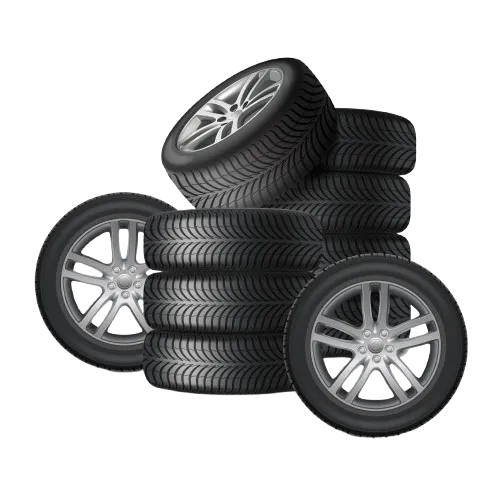
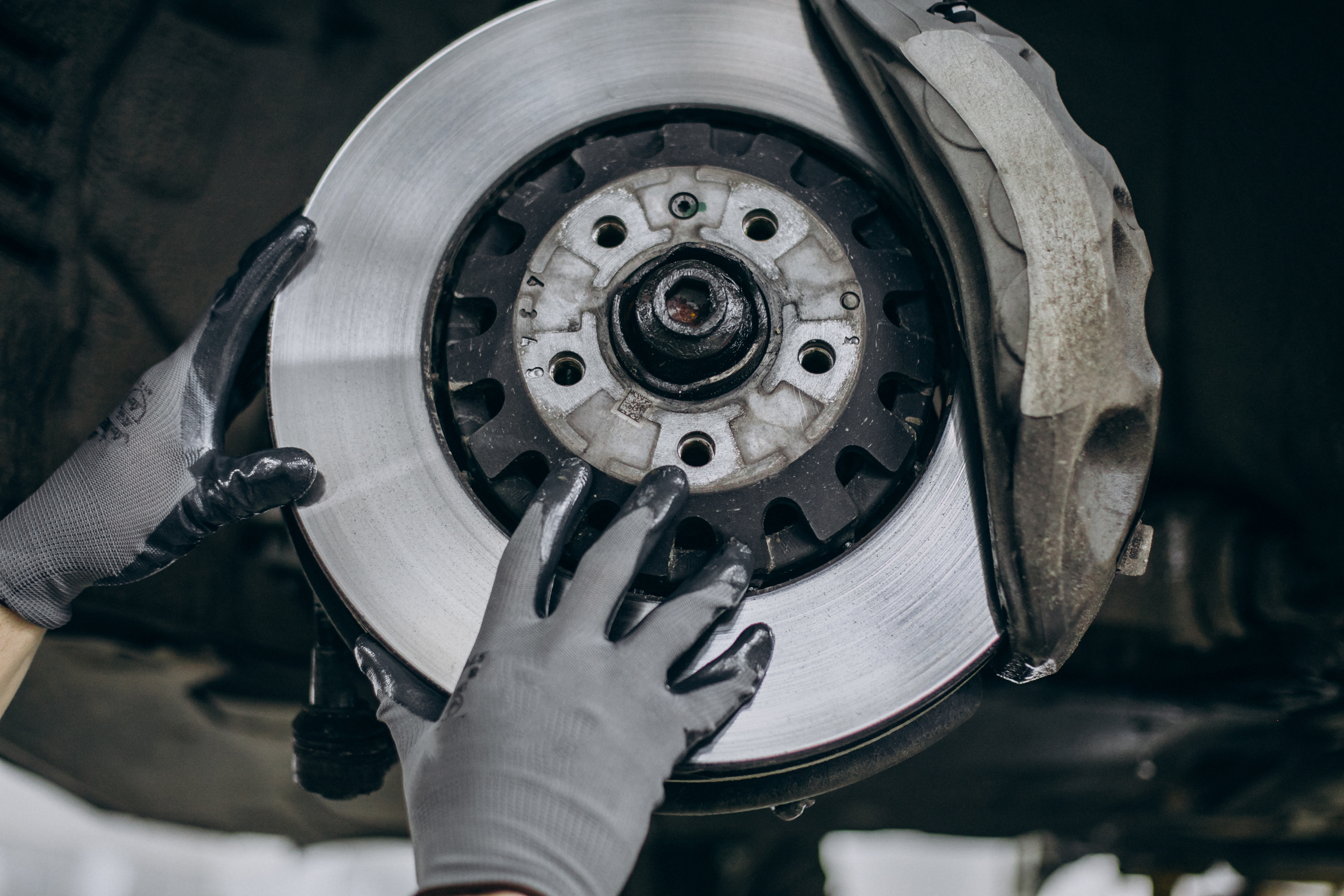
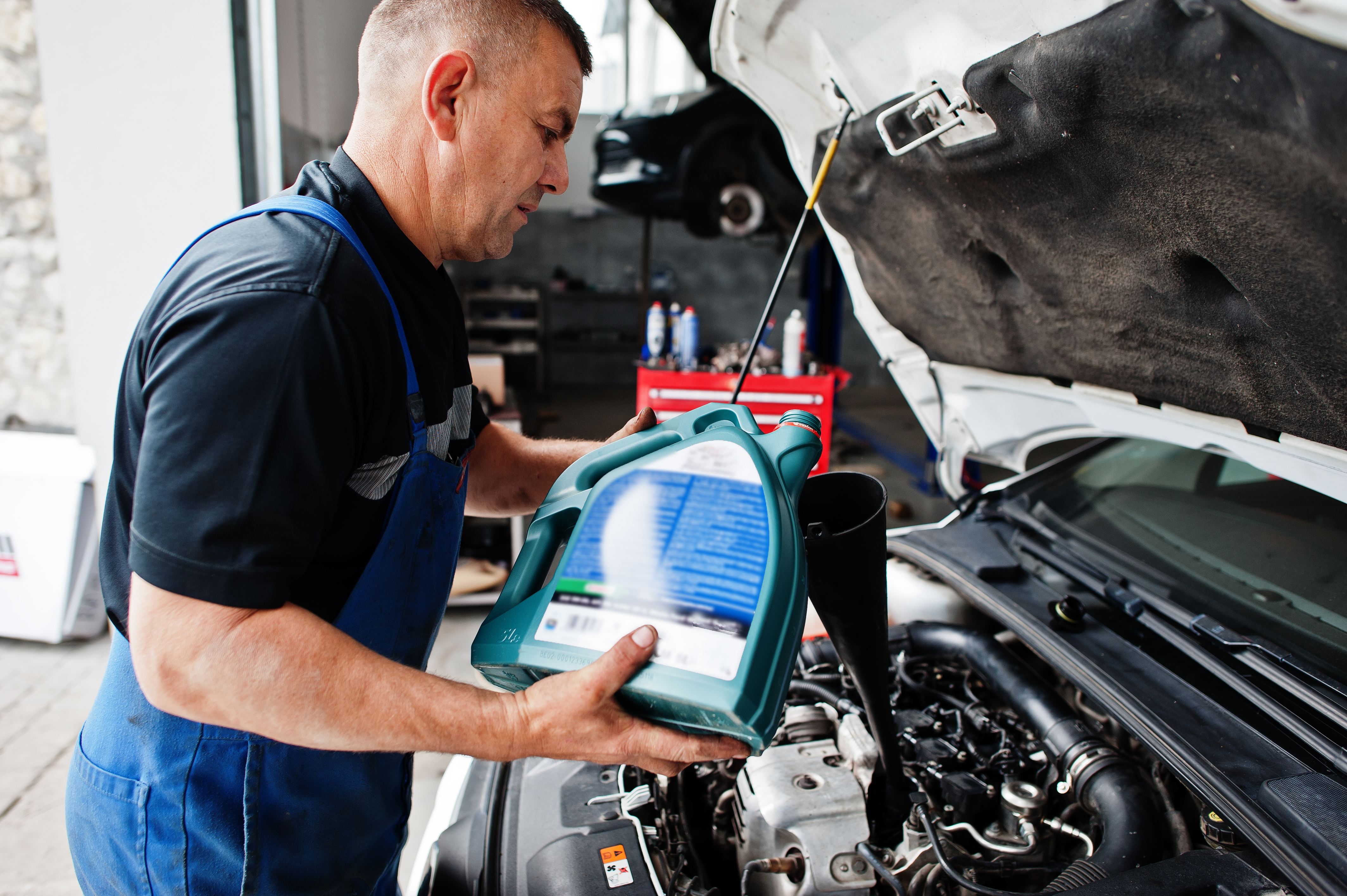
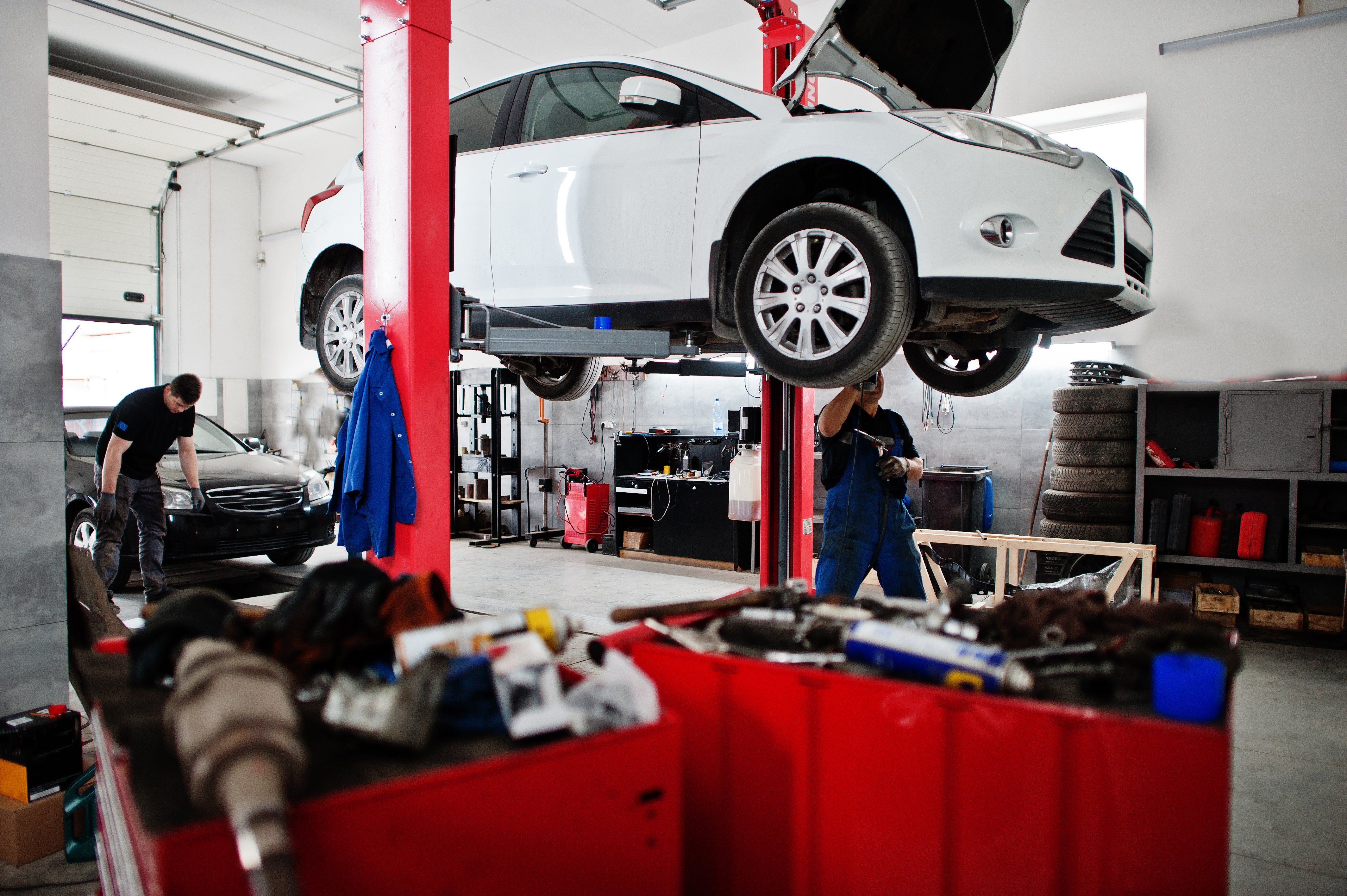

We’re dedicated to keeping you safe on the road with top-quality tires and expert service. Visit us for all your tire needs and experience the difference. Drive confidently, knowing we’ve got you covered every mile of the way.


